Investigation
Forests are important ecosystems that give us clean air, store carbon, protect biodiversity, and help to regulate water and temperature. However, according to the Food and Agriculture Organization of the United Nations (FAO), they are in danger due to climate change, wildfires, and biodiversity loss. Droughts, higher temperatures, and diseases are all effects of climate change that reduce the ability of forests to support wildlife and store carbon. The most disastrous risks for forests are wildfires, drought, pest outbreak, air quality, landslides, flooding, frost damage, storms, deforestation, and windthrow. I plan for my project to respond to some of these challenges.
According to the brief, the design objectives of this project are to choose a theme, and:
- Build an embedded system with environmental sensors to collect and store data related to the theme
- Develop a computer model of a disaster risk scenario related to the theme using Python
- Test two “what-if” scenario simulations that involve changing key risk variables related to the theme
- Extend the embedded system or change the model by by enabling it to adapt to changing conditions
There are many existing solutions for forest monitoring and risk modelling. From my research, I have chosen some interesting examples to further investigate that align with the themes of wildfire, drought, windthrow, tree growth, and forest health.
Dryad Networks Silvanet Wildfire Sensor
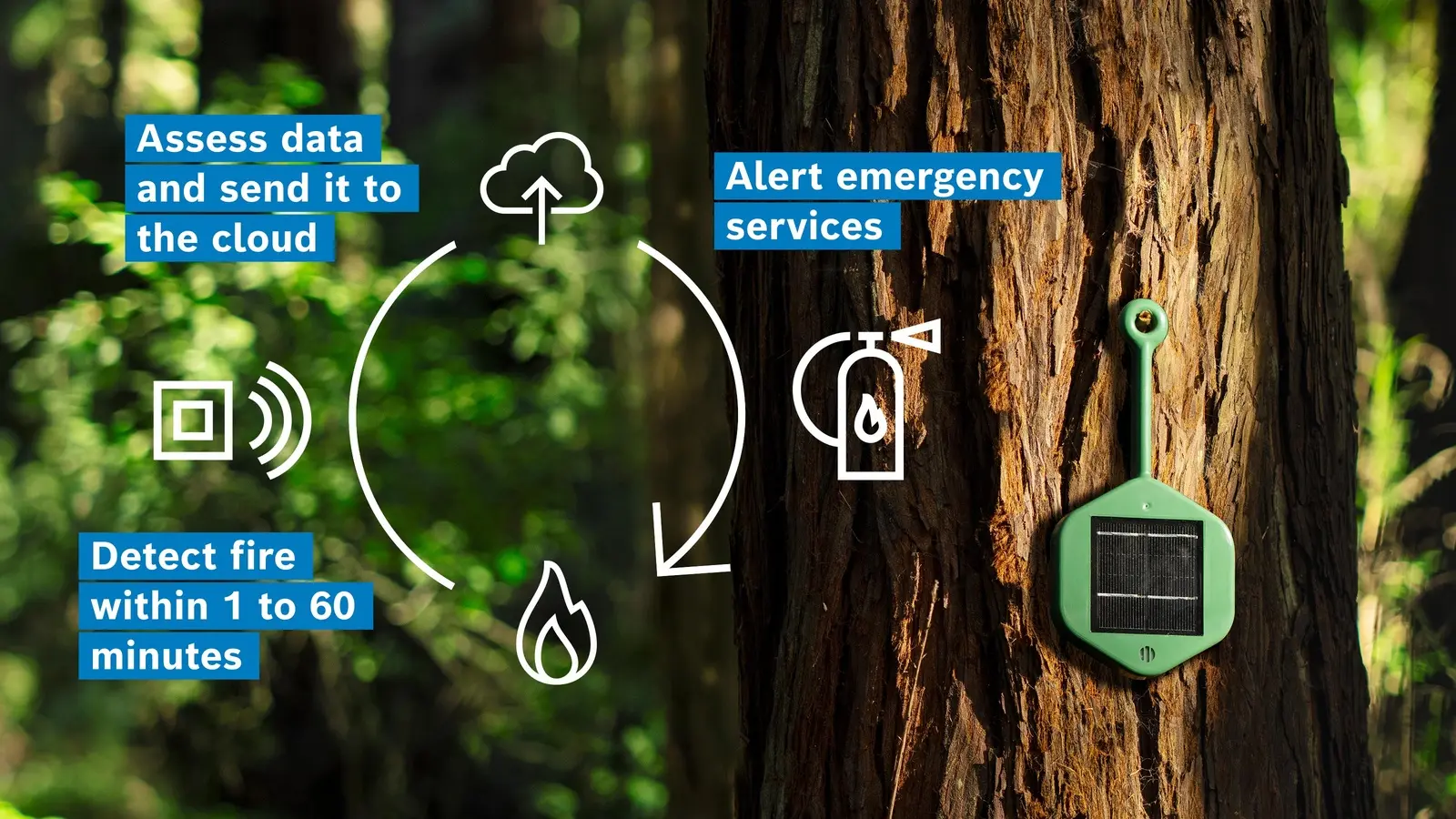
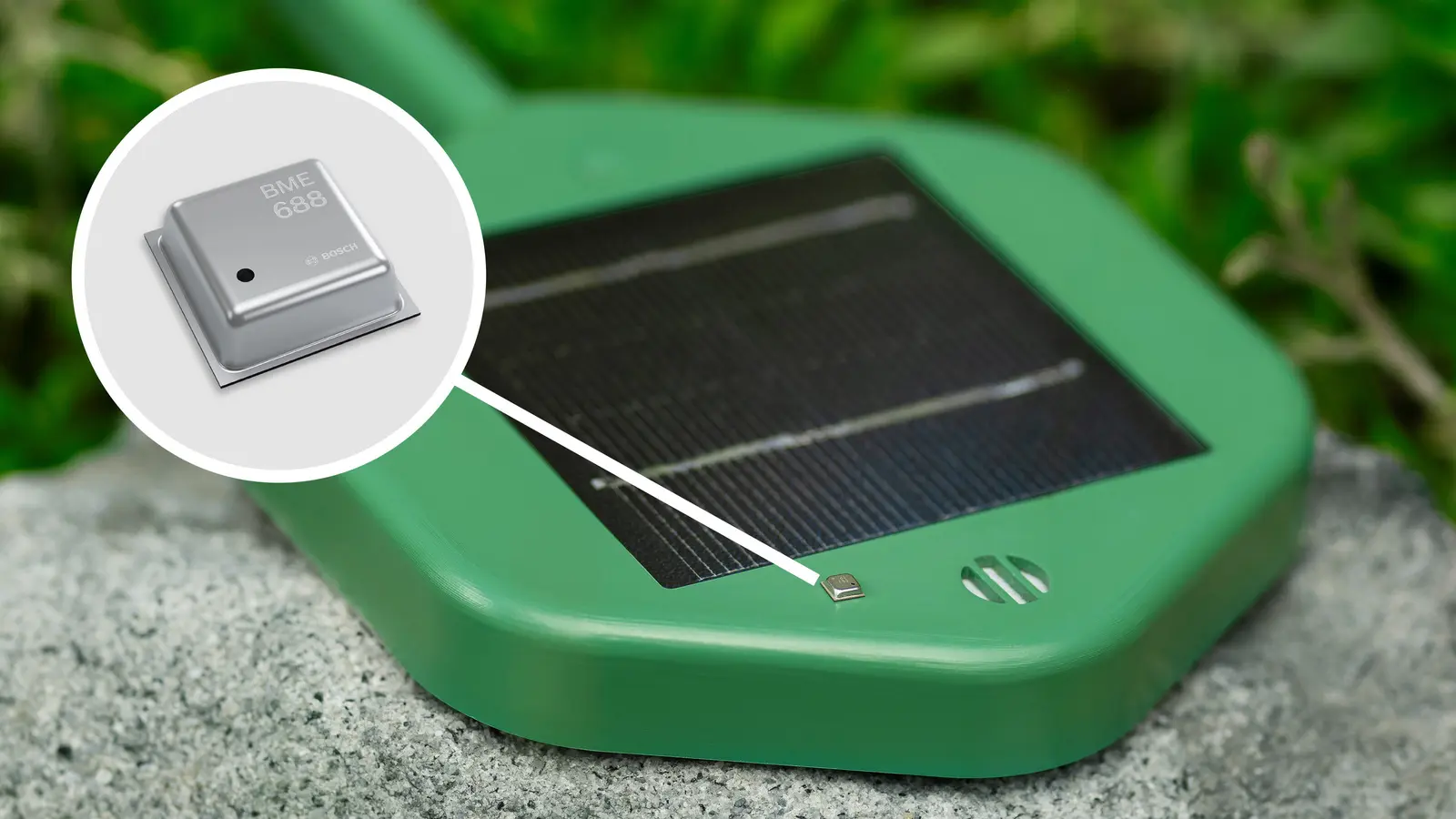
- The Dryad Networks Silvanet Wildfire Sensor uses the Bosch BME688 sensor to detect carbon monoxide and hydrogen, as well as measuring temperature, humidity, and air pressure. It collects and analyzes data for the early detection of wildfire and for forest health and growth monitoring.
COFORD Windthrow Model
- The COFORD Windthrow Model allows a user to input information to predict the risk of windthrow occurring based on the information. The model was made using COFORD's collected data.
COFORD CLIMADAPT Model
- The COFORD CLIMADAPT Model allows a user to input information to estimate the suitability of tree species for specific locations and climates based on the information. The model was made using COFORD's collected data.
Irish Soil Moisture Monitoring Network (ISMON)
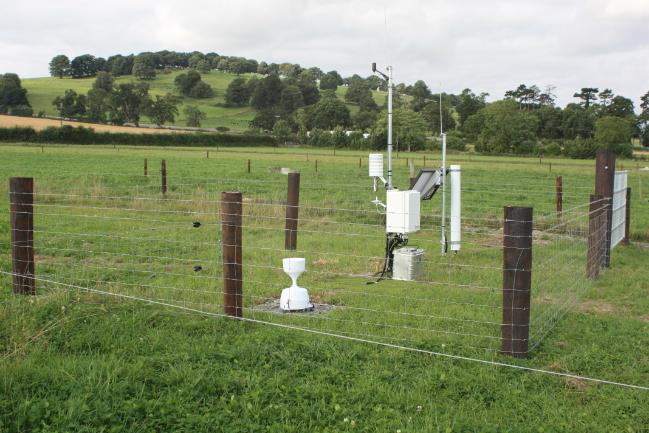
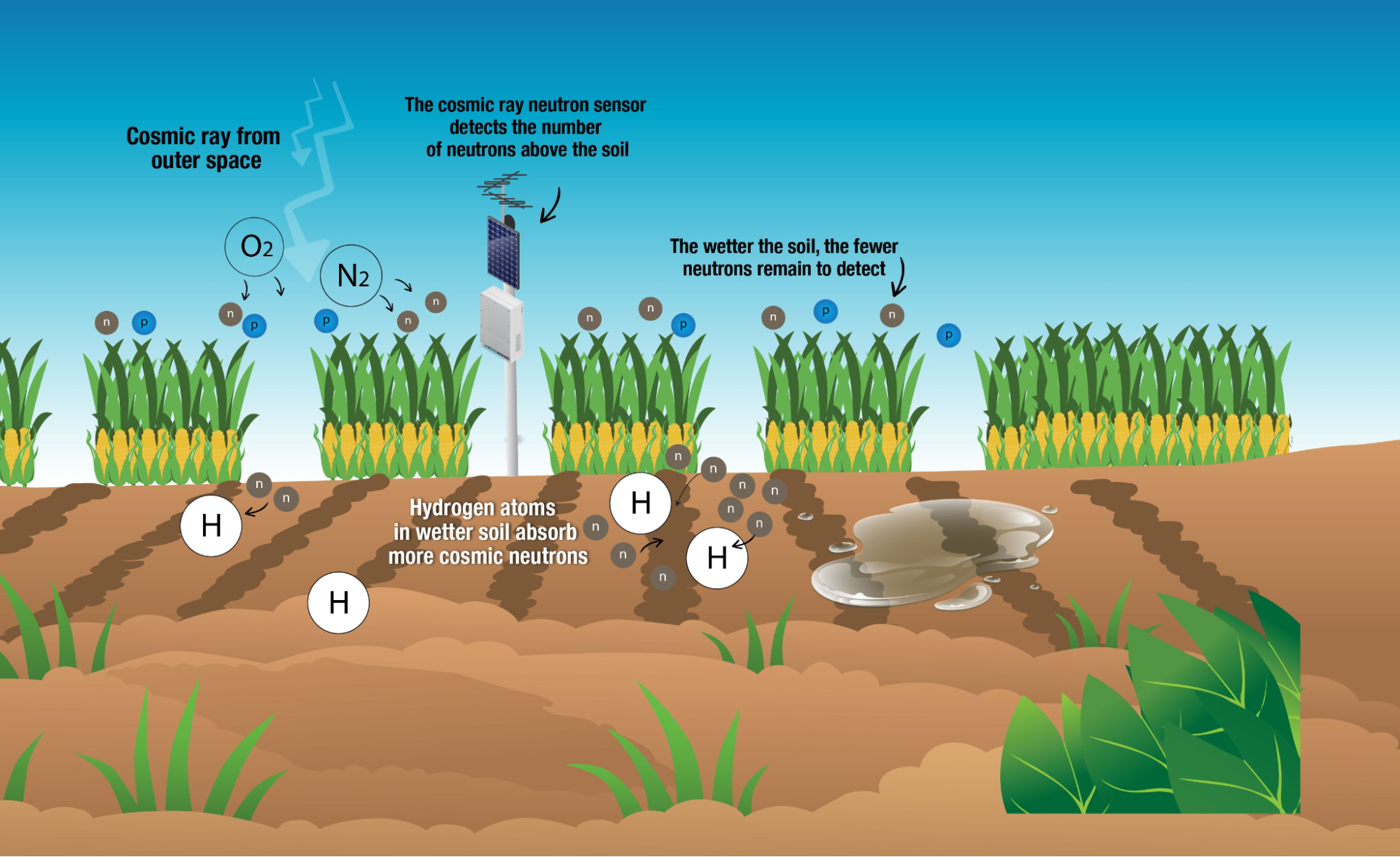
- Each station measures barometric pressure, relative humidity, air temperature, wind velocity, precipitation, and net solar radiation. Soil moisture conditions influence plant growth, greenhouse gas emission or nutrient losses to water associated with fertiliser application, and carbon in soils.